Shiri Azenkot, Ph.D.

Shiri Azenkot is an Associate Professor at the Jacobs Technion-Cornell Institute, Cornell Tech. She is also the director of the Enhancing Ability Lab. Her research focuses on human-computer interaction and accessibility, particularly on intelligent interactive systems that enhance the perception and ability of people with disabilities using mobile and wearable devices. She holds a Ph.D. in Computer Science from the University of Washington.
Walter Boot, Ph.D.
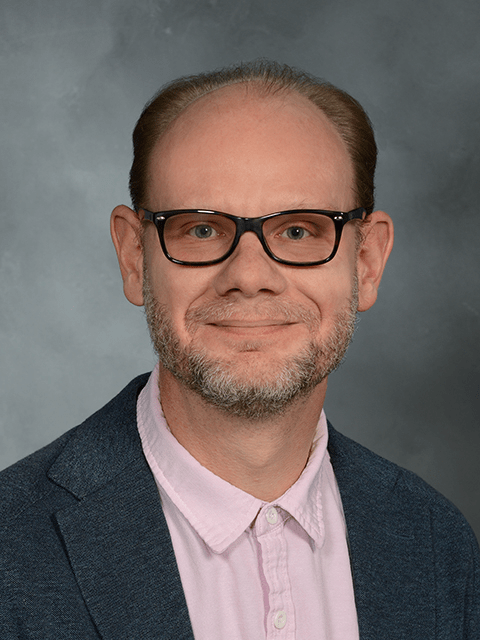
Walter R. Boot, PhD, is the Irving Sherwood Wright Professor in Geriatrics II and Professor of Psychology in Medicine at Weill Cornell Medicine. He is one of five principal investigators of the multidisciplinary Center for Research and Education on Aging and Technology Enhancement (CREATE), an award-winning center funded by the National Institute on Aging that focuses on ensuring older adults can fully benefit from technology. He also serves as Co-Director of the ENHANCE (Enhancing Neurocognitive Health, Abilities, Networks, & Community Engagement) Center, which is supported by the National Institute on Disability, Independent Living, and Rehabilitation Research. ENHANCE focuses on how technology can support older adults with cognitive impairments. He is a Fellow of the American Psychological Association (APA) and the Gerontological Society of America (GSA).
Doug Cohen
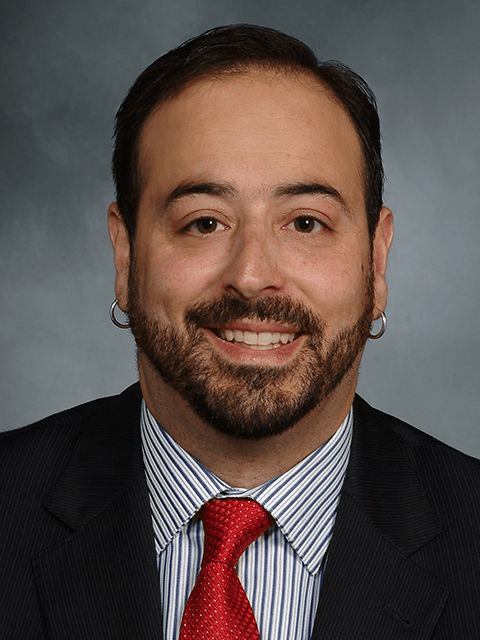
Doug Cohen is the Director of Educational Computing at Weill Cornell Medicine, where he has over 25 years of experience in higher education technology strategy, project management, and organizational change. He is also an Adjunct Lecturer at SUNY Polytechnic Institute and holds a Master’s degree in Information Design and Technology from SUNY Institute of Technology.
Curtis Cole, M.D., FACP

Dr. Curtis L. Cole is the Chief Global Information Officer for Cornell University, overseeing core information services that support research, clinical, educational, and administrative functions across all campuses. A graduate of Bowdoin College and Weill Cornell Medical College, he completed his Internal Medicine Residency and Medical Informatics training at NewYork-Presbyterian Hospital and advanced training in leadership at Harvard and Northwestern. Dr. Cole is also a primary care physician with expertise in psychiatric care and LGBTQ+ health, dedicated to empowering patients through informed health management.
Jazmin Collins

Jazmin Collins is an Information Science Ph.D. student, specializing in XR and video game accessibility for people with disabilities. She is advised by Dr. Shiri Azenkot in the Enhancing Ability Lab and Dr. Andrea Stevenson Won in the Virtual Embodiment Lab at Cornell University. Her research interests include human-computer interaction, virtual and augmented reality, and accessibility. Currently, her research focuses on developing accessible guides in social VR for blind and low-vision people. She has also created and taught multiple workshops at the K-12, college, and professional levels for XR development, including curriculum that earned her the National Center for Women and Information Technology (NCWIT) Aspirations in Computing Educator Award for the state of New Mexico in 2023.
Sara Czaja, MD, Ph.D.
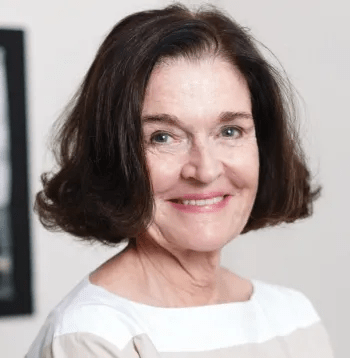
Sara J. Czaja, Ph.D., is the Gladys and Roland Harriman Professor of Medicine and Director of the Center on Aging and Behavioral Research at Weill Cornell Medicine. She also co-directs the ENHANCE Center, focusing on neurocognitive health. Her research explores the interaction between older adults and technology, behavioral interventions for aging adults and caregivers, and innovative methods of functional assessment. Dr. Czaja is a fellow of the American Psychological Association, the Human Factors and Ergonomics Society, and the Gerontological Society of America.
Abe Davis, Ph.D.
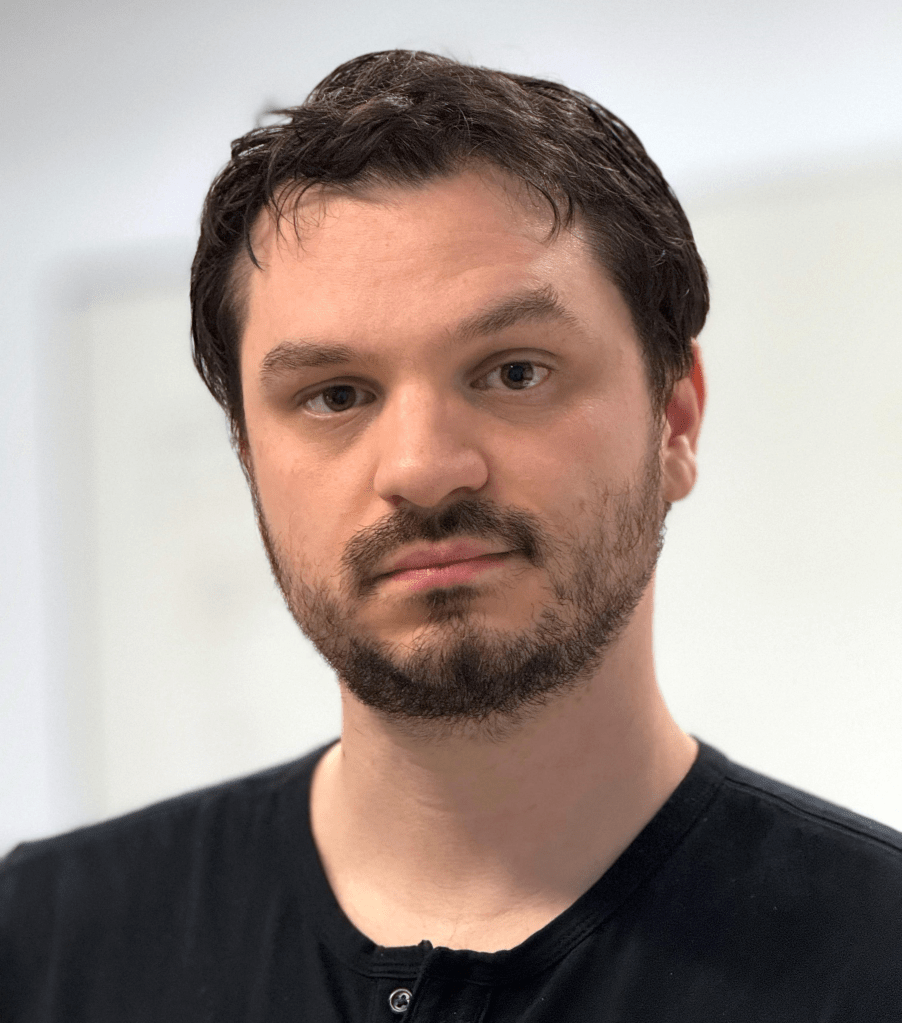
Abe Davis is an assistant professor in the Computer Science Department at Cornell University, where his research group works at the intersections of computer graphics, vision, and human-computer interaction. Abe earned his Ph.D. in EECS from MIT CSAIL. His thesis won the MIT Sprowls Award for Outstanding PhD Dissertation in Computer Science as well as honorable mention for the ACM SIGGRAPH Outstanding Doctoral Dissertation Award. More recently, he was a recipient of the NSF CAREER award in 2024.
JoAnn Difede, Ph.D.
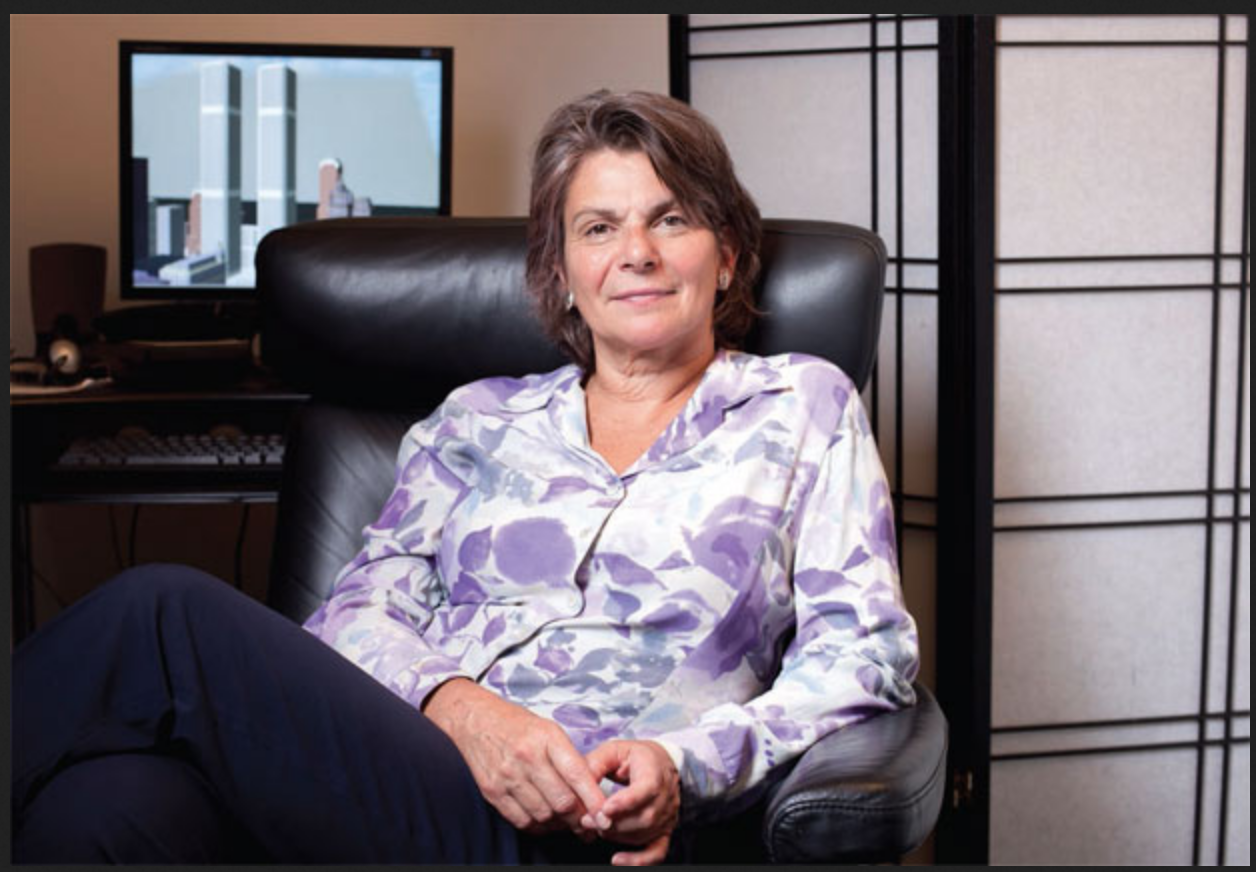
JoAnn Difede, Ph.D., co-director of this symposium, is a Professor of Psychiatry at Weill Cornell Medicine and founding director of the Virtual Reality Lab and the Program for Anxiety and Traumatic Stress Studies. A pioneer in using virtual reality for PTSD treatment, her work spans survivors of various traumas, including the 9/11 attacks, combat, and burns. Dr. Difede’s work has also been featured in many popular media outlets, including the New York Times, Crains Business, Newsday, The Wall Street Journal, Washingtonian Magazine, National Public Radio, The MacNeill-Lehrer Report, NBC, CBS, ABC with Peter Jennings, and CNN.
Rohan Jotwani, M.D., M.B.A.

Rohan Jotwani, MD, MBA, is a board-certified anesthesiologist and pain medicine specialist, practicing clinically within both fields of anesthesiology and pain management. He is also the Nanette Laitman Scholar in XR/AI at Weill Cornell Medicine. His latest work involves looking at extended/virtual reality approaches to not only train the next generation of physicians, but eventually as a method to treat chronic pain.
Wendy Ju

Wendy Ju is an Associate Professor at the Jacobs Technion-Cornell Institute at Cornell Tech and the Technion. Her work in the areas of human-robot interaction and automated vehicle interfaces highlights the ways that interactive devices can communicate and engage people without interrupting or intruding. She has a PhD in Mechanical Engineering from Stanford and a Master’s in Media Arts and Sciences from MIT.
Saleh Kalantari, PhD
Dr. Saleh Kalantari is an Associate Professor in the Department of Human Centered Design at Cornell University, with graduate field memberships in both the Information Science and Architecture departments. He leads the Design and Augmented Intelligence Lab (DAIL), where his research focuses on developing digital tools to understand the impacts of virtual and built environments on human behavior. His work has been recognized with a Touchstone Gold Medal Award from the Center for Health Design and a nomination for the National Design Award by Cooper Hewitt.
Theodora Kanellopoulos, Ph.D.
Dr. Dora Kanellopoulos is an Associate Professor of Psychology in Psychiatry at Weill Cornell Medical College. She received her B.S. in Human Development and Family Studies from Cornell University and her PhD in Clinical Neuropsychology from the City University of New York Graduate School and Center. Since 2015 she has served as an inpatient psychologist at Westchester Behavioral Health in White Plains, NY. Her clinical focus is on diagnostic assessment and characterization of psychiatric syndromes toward developing personalized treatments for individuals with severe mental illness. To this end she has collaborated on program development across inpatient and outpatient settings to help launch projects that leverage technological innovations to augment existing treatments for severe mental illness, including using Virtual Reality based mindfulness and exposure interventions to address mental health symptoms on the inpatient milieu.
Isabelle McLeod Daphnis.
Isabelle McLeod Daphnis is the lab manager for Cornell’s Virtual Embodiment lab, where she had previously worked as an undergraduate RA. Isabelle has also worked as a research coordinator for Weill Cornell’s Program for Anxiety and Traumatic Stress. Her research focuses on pain experience in virtual reality, and she is particularly interested in pediatric use of clinical VR. In 2022, Mcleod Daphnis was chosen as the Cornell Communication Department’s Merrill Presidential Scholar.
Michelle Pelcovitz, Ph.D.
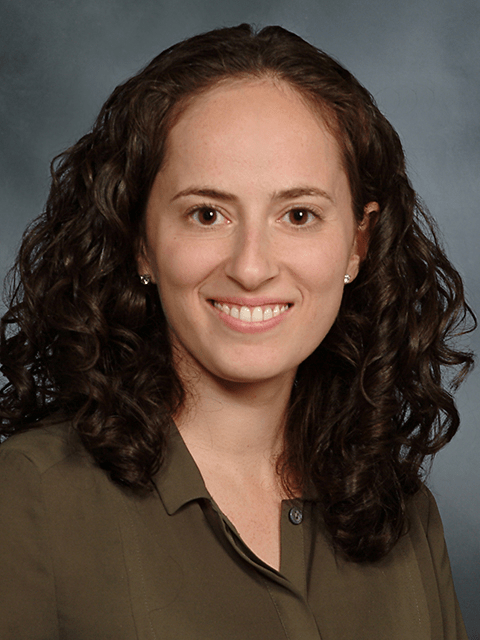
Dr. Pelcovitz is an Assistant Professor of Psychology in Clinical Psychiatry and Clinical Directory of Ambulatory Child Psychology at Weill Cornell Medical College and New York Presbyterian Hospital. She graduated with her B.A. from Barnard College in 2009, and went on to St. John’s University, where she completed her M.A. in 2013, and her Ph.D. in 2015. Her current research includes investigating applications of virtual reality to treatment of youth with anxiety disorder.
Anais Rameau, MD, Ph.D.
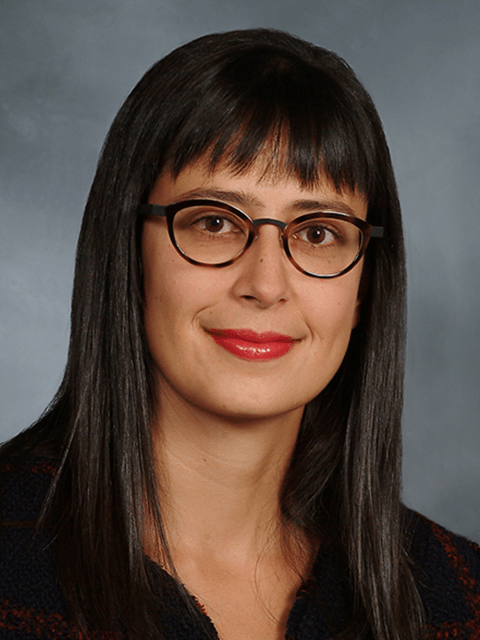
Anaïs Rameau, MD MPhil MS, is an attending laryngologist and the Chief of Dysphagia at the Sean Parker Institute for the Voice. She is an Assistant Professor and the Director of New Technologies in the Department of Otolaryngology – Head and Neck Surgery at Weill Cornell Medical College. Her research lab, the Laryngology Innovation Lab, aims to disrupt and innovate the fields of voice, deglutition, and airway science.
Cary Reid, Ph.D., M.D.

Dr. Cary Reid is the Irving Sherwood Wright Professor of Geriatrics and the Director of the Office of Geriatric Research in the Division of Geriatrics and Palliative Medicine at Weill Cornell Medicine (WCM). His research focuses on improving the management of pain among older persons. Additional areas of interest include palliative care and the role of technology in improving the management of burdensome symptoms in later life.
John Edwin Rubin, M.D.
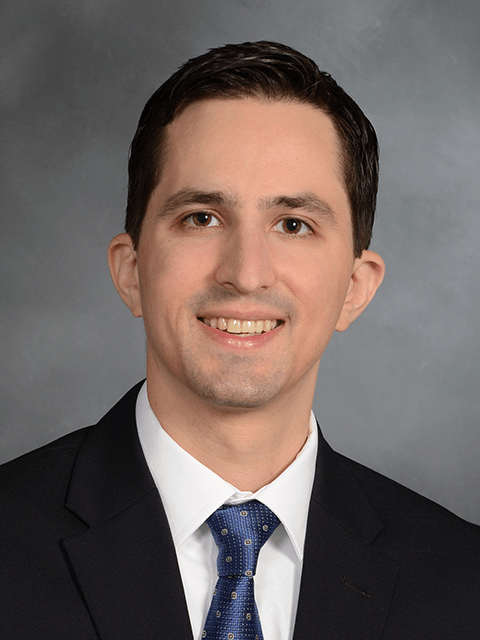
John E. Rubin, MD, is an Assistant Professor of Clinical Anesthesiology and Assistant Attending Anesthesiologist at NewYork Presbyterian Hospital/Weill Cornell Medicine. Dr. Rubin is a national leader in the use of extended reality (XR) in medicine and is a founding member of the American Medical Extended Reality Association (AMXRA). He is the Co-Director of the Extended Reality Anesthesiology Immersion Laboratory (XRAIL) at Weill Cornell Anesthesiology.
Alexandros Sigaras

Alex Sigaras is an Assistant Professor of Research in Physiology and Biophysics and an Assistant Professor of Research in Computational Biomedicine at Weill Cornell Medicine, the Director of AI-XR Lab, and the Director of AI and XR at the Englander Institute for Precision Medicine at Weil Cornell Medicine. He develops software solutions for the Englander Institute for Precision Medicine and Institute for Computational Biomedicine with projects spanning over healthcare system design, LIMS, and pipeline design for computational genomic analysis. His research interest focus is on leveraging AI and Medical Extended Reality technologies in a translational manner benefiting patients but also towards teaching the future of medicine in a plethora of medical domains including Precision Medicine, Emergency Medicine, Embryology, Otorhinolaryngology, Cardiology, Pathology, Radiology and Medical Education.
Angelique Taylor, Ph.D.

Angelique Taylor is an Assistant Professor at Cornell Tech and in the Information Science Department at Cornell University. Her research lies at the intersection of robotics, computer vision, and artificial intelligence. Her lab designs intelligent systems to support people in their everyday lives, and in safety-critical environments (i.e., healthcare) to improve human performance using robots, augmented and virtual reality devices, and human-computer interaction interfaces.
Michael Turman, Ph.D.
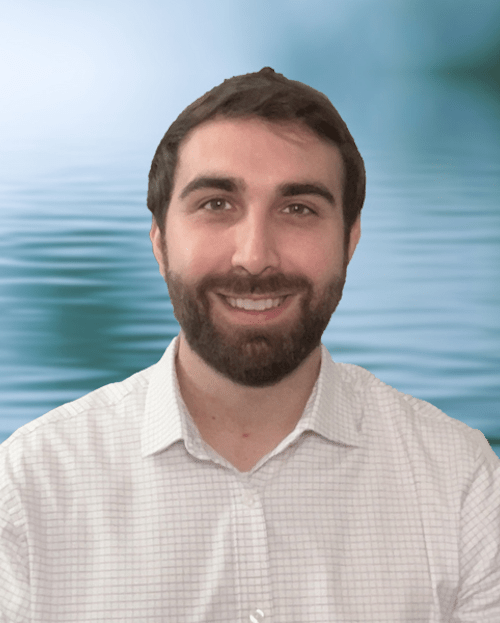
Michael Turman earned a Ph.D. in Clinical Psychology from Long Island University’s Brooklyn Campus and completed a doctoral internship at the Miami Veterans Affairs Medical Center. His research focuses on how emotion regulation impacts trauma-related processes like PTSD and depression in trauma-exposed populations. He has trained at institutions such as Mount Sinai Beth Israel and New York Presbyterian, and has co-authored work on crisis counseling and battlefield medical care. From 2018-2021, he was awarded the APA Minority Fellowship, focusing on services for minority communities. Prior to academia, he spent over 10 years as an EMT in the New York City 911 system.
So-Yeon Yoon, Ph.D.
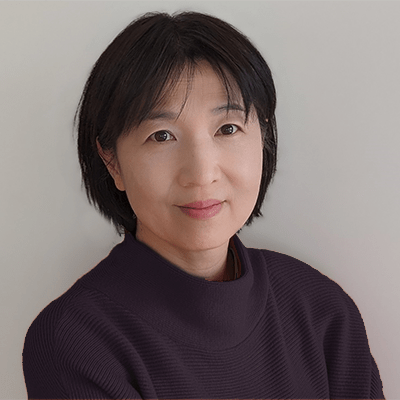
Dr. So-Yeon Yoon is a Professor of Design and Environmental Analysis in the Department of Human Centered Design and director of the Design-User Experience-Technology (DUET) Research Lab at Cornell University. Her research interests include user experience, human-computer interaction, and the impact of designed environments using emerging technologies and immersive simulations. She holds a Ph.D. in Information Technology with a focus on Human-Computer Interaction and has received several accolades, including the IIDA 2014 Educator of the Year and the University of Missouri’s 2011 Gold Chalk Award for teaching excellence.
Andrea Stevenson Won, Ph.D.

Andrea Stevenson Won, PhD., co-director of this symposium, is an assistant professor in the Department of Communication and a field faculty member within the Department of Information Science at Cornell University and the director of the Virtual Embodiment Lab. The lab’s research focuses on how mediated experiences change people’s perceptions, especially in immersive media. She has received funding from the Department of Defense, National Institute on Aging, and NSF to investigate the clinical applications of virtual reality and how nonverbal behavior as rendered in virtual environments affects collaboration and teamwork.
 Immersive Media in Medicine Symposium